







Create your nutrition list
To start, click the button. Follow the prompts, and create your nutrition list.
It’s your choice - with our knowledge.
It’s your choice - with our knowledge.


Popular Brands
Popular Products
Popular Hydration Brands
Popular Recovery Brands
Popular Health Brands

Energy Chews are becoming an increasingly popular choice for those looking for a convenient way to consume carbohydrates whilst exercising. Coming in the form of small easy to chew gummies, they typically contain a blend of carbohydrates and electrolytes providing similar benefits to those of an energy gel.
You can use our Nutrition Calculator to work out how many chews you may need for a session.
Energy chews provide the carbohydrates and quick energy of gels with the convenience of a bar, but without the messiness or need to portion bars. Their portability and pre-measured servings make them an efficient and clean way to refuel during any activity.
Energy chews are perfect for mid to long distance runs and can be used very similarly to energy gels, so which you opt for is down to personal preference but here are a few things to consider if you decide to give energy chews a go.
If you want find out more about energy gels compared with energy chews, you can read our article 9 Benefits of Energy Gels and Energy Chews
Everyone has different preferences, and you may need to try a few different chews before you find the right one for you. But bear in mind that they tend to come in three different textures - gummy, soft, and hard.
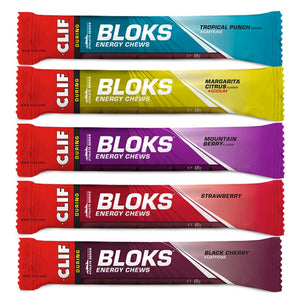
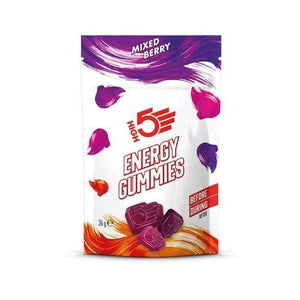
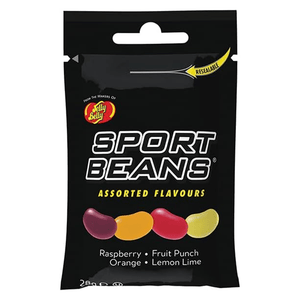
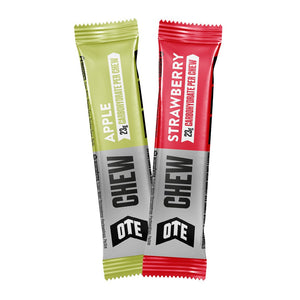
Some examples of each are:
As mentioned, energy chews come in gummy, soft, and hard textures:
Also a choice of a Soft form chewier gummy bars 226ers Vegan Gummy Bar, SiS Beta Fuel Chew, OTE Energy Chew and 32Gi Sports Chews
Consider which texture you prefer and find easiest to consume during physical activity. Gummy and soft textures are often the most popular for their portability and quick energy delivery. Harder chews work well for hiking, climbing, or activities where you want energy released over hours.
Energy chews can be a versatile part of your fueling strategy for workouts and races. While they provide quick-absorbing carbohydrates like traditional energy gels, their texture and flavors make them easier for many athletes to consume. Properly integrating chews into your nutrition plan can enhance both your performance and enjoyment.
Energy chews can be taken on their own, providing a solid source of 30 to 50 calories and 5 to 15 grams of carbs per piece.
Consume one serving every 20 to 30 minutes during longer moderate intensity efforts, or one every 10 to 15 minutes during intense endurance activities. The simple sugars will be quickly digested and delivered to your working muscles.
For variety, chews pair well with energy drinks or gels. The fluids help you stay hydrated while the chews give you something to chew, alleviating flavour fatigue. Just be mindful of your overall carb intake. Ideally you want 60 to 80 grams per hour from a combination of fuel sources. Don't overdo it on the chews just because they taste good.
Flavours and textures can vary widely between brands. Test different chews during training to learn which your stomach can tolerate and which flavors maintain their appeal even when pushing hard. Consume a familiar, appealing chew right before a tough climb or sprint for an instant boost.
Avoid the temptation to chew and store multiple pieces in your mouth. Only chew what you can swallow, as the carbs are best absorbed through the stomach, not the mouth. Drink fluids after consuming to aid digestion and absorption.
With some experimentation, you can discover the ideal energy chew for you. Used properly and thoughtfully, chews can take your fueling to the next level by providing tasty, efficient calories.
Energy chews can provide a quick and effective carbohydrate boost anytime you need increased stamina and focus during endurance exercise lasting over an hour. While similar guidelines apply as with gels, chews offer some unique benefits that make them ideal for certain scenarios.
Always follow serving recommendations based on body weight and intensity. While chews make fueling more fun, consuming too many can lead to GI distress. Used strategically, they provide quick energy when you need it most.