



Create your nutrition list
To start, click the button. Follow the prompts, and create your nutrition list.
It’s your choice - with our knowledge.
It’s your choice - with our knowledge.
Popular Brands
Popular Products
Popular Hydration Brands
Popular Recovery Brands
Popular Health Brands

Whether you are heading out for a gentle countryside ramble or a full day in the mountains, fuelling properly can make or break your hike. Unlike short, high-intensity sessions, hiking is often steady, prolonged and unpredictable. You might be climbing, descending, scrambling or covering miles on uneven terrain. All of that demands consistent energy.
Energy bars are one of the most practical ways to fuel on the move. They are easy to carry, simple to eat during a short stop, and provide a reliable source of carbohydrates to keep you ticking over. The key is choosing bars that offer sustained energy, digest well, and fit comfortably in your pack.
Hiking typically relies on a mix of carbohydrate and fat as fuel, but carbohydrates are still essential for maintaining pace and preventing fatigue, especially on climbs or longer days.
A good hiking bar should:
Unlike race-day fuelling, hiking allows for slightly more substantial options, which is where traditional energy bars and flapjacks come into their own.
For most moderate hikes, aiming for 30 to 60 grams of carbohydrates per hour is a sensible target, depending on pace, body size and terrain. On more demanding mountain days, this may increase.
A practical approach is to:
If you are unsure how much you personally need, our Nutrition Calculator can help estimate fuelling targets based on your body weight and planned activity duration. It takes the guesswork out of planning, especially for longer or more remote adventures.
Here are some great bars to try on your next hike:
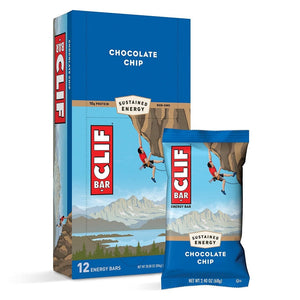
Clif Bar is often considered the original endurance energy bar, and for good reason. Built to power long days of activity, it offers a balanced plant-based blend of carbohydrates, protein and fibre to support sustained energy release.
For hikers, this balance is ideal. The carbohydrates provide the primary fuel source, while the inclusion of plant-based protein supports muscle recovery, especially useful if you are covering challenging terrain.
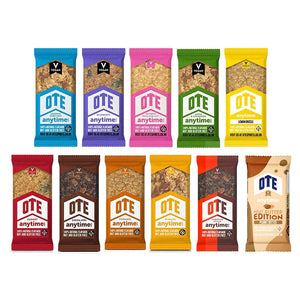
The OTE Anytime Bar is a versatile, wholesome option that works equally well before you set off or midway through your hike. Delivering up to 40 grams of carbohydrates, it provides a strong energy base to keep you moving steadily across varied terrain.
In addition to carbohydrates, it includes protein to support muscle maintenance and recovery, which can be particularly valuable on multi-day hikes or back-to-back long walks. Made with 100 percent natural ingredients and free from artificial sweeteners or additives, it is easy on the stomach and great tasting.
If you prefer something a little softer and more indulgent, the TORQ Explore Flapjack is an excellent hiking companion. Soft, moist and syrupy, it has a homemade feel while still delivering meaningful energy for long outdoor days.
Made with organic, plant-based ingredients and certified by the Soil Association, it is suitable for vegan and plant-based diets. It is free from artificial additives and built from wholesome, pesticide-free components.
How many energy bars should I take on a full-day hike?
For a 5 to 7 hour hike, taking 3 to 5 bars is a sensible starting point, alongside other snacks. Adjust based on your carbohydrate needs and how hard the terrain is.
Are energy bars better than flapjacks for hiking?
Both can work well. Traditional flapjacks like the TORQ Explore Flapjack offer a softer texture and can feel more substantial, while structured energy bars may be slightly easier to portion and carry.
Should I eat even if I do not feel hungry on a hike?
Yes. Waiting until you feel hungry can mean you are already low on energy. Eating small amounts regularly helps maintain steady blood sugar and performance throughout the day.
Hiking may feel slower paced than racing, but it still demands consistent fuelling. Energy bars provide a practical, packable and reliable way to maintain energy across long miles and steep climbs.
Look for a strong carbohydrate base, some protein for muscle support, and ingredients that sit comfortably with your stomach. Planning ahead and eating little and often will help you stay energised, reduce fatigue and enjoy the trail from start to finish.