




Create your nutrition list
To start, click the button. Follow the prompts, and create your nutrition list.
It’s your choice - with our knowledge.
It’s your choice - with our knowledge.


Popular Brands
Popular Products
Popular Hydration Brands
Popular Recovery Brands
Popular Health Brands

Many endurance athletes may have found themselves ‘Hitting the Wall’ in endurance exercise, or have heard of it happening to other athletes. But what does it actually mean? Why does it happen? And how can you avoid this in your next endurance event? In this article we will discuss all of this and give you some tips so you don’t need to worry about this happening in your event.
Glycogen is the body's stored form of carbohydrates found in the muscle and liver. Our body will convert carbohydrates that we consume, from both food and any sport nutrition supplements into glycogen to be stored, to then be easily accessible by the muscles when they require energy.
However, we can only store so much glycogen, and therefore can become limiting in long endurance events. Our stores will become depleted after around 90-120 minutes of moderate intensity exercise. After this our body will no longer be able to use carbohydrates as fuel, and will need to rely on fat stores, which take longer to produce energy in the muscle, which causes us to feel more fatigued when trying to remain exercising at the same intensity.
“Hitting the wall" occurs when we have depleted our glycogen stores, and the body can’t keep up with the energy demands of the exercise. Some of the symptoms may include:
At this point our body is unable to produce enough energy to work at this intensity. Carbohydrate intake can help relieve symptoms, but the best strategy is to prevent glycogen depletion.
There are ways in which we can avoid hitting the wall and help you feel fuelled and full of energy throughout your endurance event. Following these tips can help avoid the dreaded wall:
While we can’t refill muscle glycogen stores during exercise, we can delay depletion by taking on carbohydrates, these can then be used immediately by the muscles.
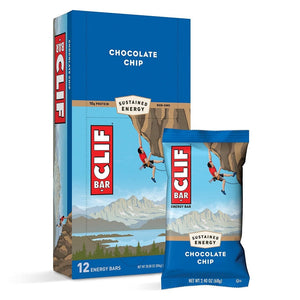
Here are some great options to help boost your carbohydrate intake before and during your event:
“Hitting the wall” doesn’t have to be an inevitable part of endurance sport. With smart preparation, carbohydrate loading, and a fuelling strategy during your event, you can stay energised, avoid the crash, and perform at your best.
Connie Jones SENr ANutr is a registered associate nutritionist with the AfN and a registered sports and exercise nutritionist under the BDA.
Website: Visit Website | Instagram: @connierosenutrition